Your secret writing weapon ͏ ͏ ͏ ͏ ͏ ͏ ͏ ͏ ͏ ͏ ͏ ͏ ͏ ͏ ͏ ͏ ͏ ͏ ͏ ͏ ͏ ͏ ͏ ͏ ͏ ͏ ͏ ͏ ͏ ͏ ͏ ͏ ͏ ͏ ͏ ͏ ͏ ͏ ͏ ͏ ͏ ͏ ͏ ͏ ͏ ͏ ͏ ͏ ͏ ͏ ͏ ͏ ͏ ͏ ͏ ͏ ͏ ͏ ͏ ͏ ͏ ͏ ͏ ͏ ͏ ͏ ͏ ͏ ͏ ͏ ͏ ͏ ͏ ͏ ͏ ͏ ͏ ͏ ͏ ͏ ͏ ͏ ͏ ͏ ͏ ͏ ͏ ͏ ͏ ͏ ͏ ͏ ͏ ͏ ͏ ͏ ͏ ͏ ͏ ͏ ͏ ͏ ͏ ͏ ͏ ͏ ͏ ͏ ͏ ͏ ͏ ͏ ͏ ͏ ͏ ͏ ͏ ͏ ͏ ͏ ͏ ͏ ͏ ͏ ͏ ͏ ͏ ͏ ͏ ͏ ͏ ͏ ͏ ͏ ͏ ͏ ͏ ͏ ͏ ͏ ͏ ͏ ͏ ͏ ͏ ͏ ͏ ͏ ͏ ͏ ͏ ͏ ͏ ͏ ͏ ͏ ͏ ͏ ͏ ͏ ͏ ͏ ͏ ͏ ͏ ͏ ͏ ͏ ͏ ͏ ͏ ͏ ͏ ͏ ͏ ͏ ͏ ͏ ͏ ͏ ͏ ͏ ͏ ͏ ͏ ͏ ͏ ͏ ͏ ͏ ͏ ͏ ͏ ͏ ͏ ͏ ͏ ͏ ͏ ͏ ͏ ͏ ͏ ͏ ͏ ͏ ͏ ͏ ͏ ͏ ͏ ͏ ͏ ͏ ͏ ͏ ͏ ͏ ͏ ͏ ͏ ͏ ͏ ͏ ͏ ͏ ͏ ͏ ͏ ͏ ͏ ͏ ͏ ͏ ͏ ͏ ͏ ͏ ͏ ͏ ͏ ͏ ͏ ͏ ͏ ͏ ͏ ͏ ͏ ͏ ͏ ͏ ͏ ͏ ͏

Expert tips from a nurse-turned-writer

Hello writers,

Shocking news: Going to the dentist in the UK is no more fun than going in the US. Apart from a good cleaning (and inevitable flossing-habit-related scolding), my week has been pretty chill. Hope your week is going well, too!

Talk soon,

 Miss a week? Catch up here! 

WRITING TIP OF THE WEEK

The rule of one

When you sit down to write, remember this mantra:

One idea. One reader. One call to action.

It sounds simple (and it is, kinda) but it’s hard to do. You may find it difficult to leave information out of an article. But when you try to cram too many ideas into a single piece, you:

  • Force your reader to switch gears constantly

  • Muddy your message

  • Dilute the effectiveness of your call to action

Instead, as you write, imagine you’re speaking to one person and their one problem, one aspiration. Then write with that focus. When you do, you offer clarity and empathy instead of confusion and disinterest.

Anchor your piece in one idea so that everything (headline, body copy, examples, tone) points back to it. No tangents. No overly-detailed explanation. Just a crisp, single narrative.

And at the end, highlight one call to action. What do you want that reader to do right now? If you ask for five different actions (“sign up, buy, share, comment, and follow!”), your reader may freeze. They don’t know where to go. Pick the one next step and make it clear and interesting.

Content that follows the Rule of One doesn’t just read better—it performs better. It converts better. It feels intentional. And as a writer, it gives you boundaries (which, ironically, unlock more creativity).

So the next time you write a draft, ask yourself: Have I kept it to one idea? Am I writing to one reader? And am I asking them to take one next step? If yes, keep it up. If not, focus up and try again!

TRIVIA-PALOOZA

Where oh where?

Your trivia question for the week is…

💡"In which state do Mark Twain’s characters Tom Sawyer and Huckleberry Finn live?"💡

(The answer’s at the bottom!)

FREELANCER/INDIE AUTHOR CORNER

How I set my rates

I once sat next to my cousin’s cousin’s husband at a wedding (try to sort that one out) and he told me he “loves asking for money.” We were talking about sales and how much I despise setting rates and prices.

I’m not one of those people who can say, “That’ll be $1,000, please!” with a magnificent smile and unflinching eye contact. I’m the quiet nerd in the corner who loves to write and gets social anxiety during school pickup.

But, my desire to write full time eventually beat back my “that’s okay, never mind” nature and now I ask for what I need to fill up my gas tank, pay my rent, and put food on the table.

How do I do that? (Sorry in advance…it involves some math.)

When you’re deciding your rates, especially at first, you need to work backwards. Write down:

  • How many hours you can work each week (without burn out)

  • Your monthly budget (necessities plus some buffer)

  • Any annual expenses and savings

Divide your annual stuff by 12 and add it to your monthly expenses. Then, divide that by your *ideal* work hours per month. And voila, you have an hourly rate!

Here’s an over-simplified example:

  • 20 hours per week of paid work (writing, editing, etc — no admin)

  • Monthly expenses: $6,000

  • Annual expenses: $2,400

My annual expenses divided by 12 = $200 a month. After adding that to your monthly expenses, you get $6,200/month. If I can only do 20 hours of paid work per week, that’s about 80 a month.

$6,200 divided by 80 hours = $77.50 per hour

Now, you can charge that hourly rate, or use it as a guide to price out projects, but at least it gives you a starting point. I’ll cover hourly vs. per word vs. per project pricing another time, but however you charge for your valuable services will change as you get comfortable with your craft and confident in your value.

How do you decide what/how to charge clients?

‘Til next time

Thanks for reading and see you in a few weeks!

Share with friends and fellow writers so they can subscribe!

 Subscribe  

View my work on Authory or my website

MY AUTHOR BOOKSHELF

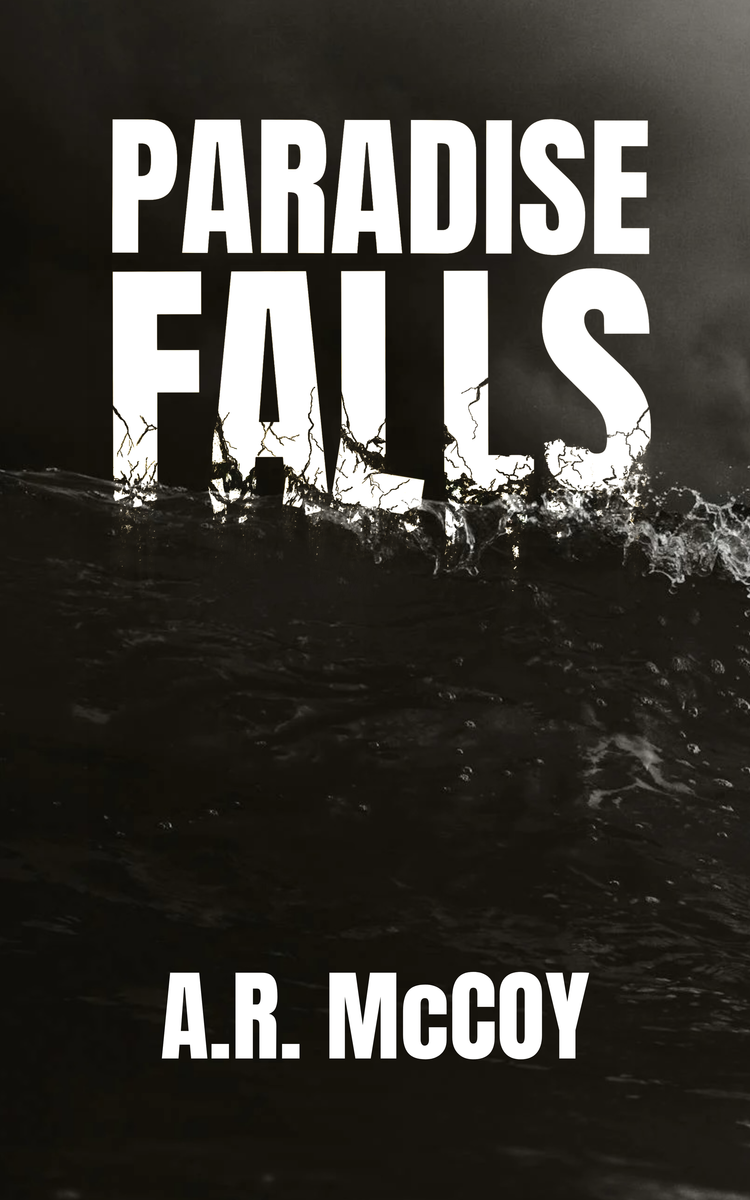
In the midst of a catastrophic beachside building collapse, a family on the brink of failure and a tenacious single mom are thrust into a high-stakes race against time.

Not everyone will make it out alive.

Check it out!

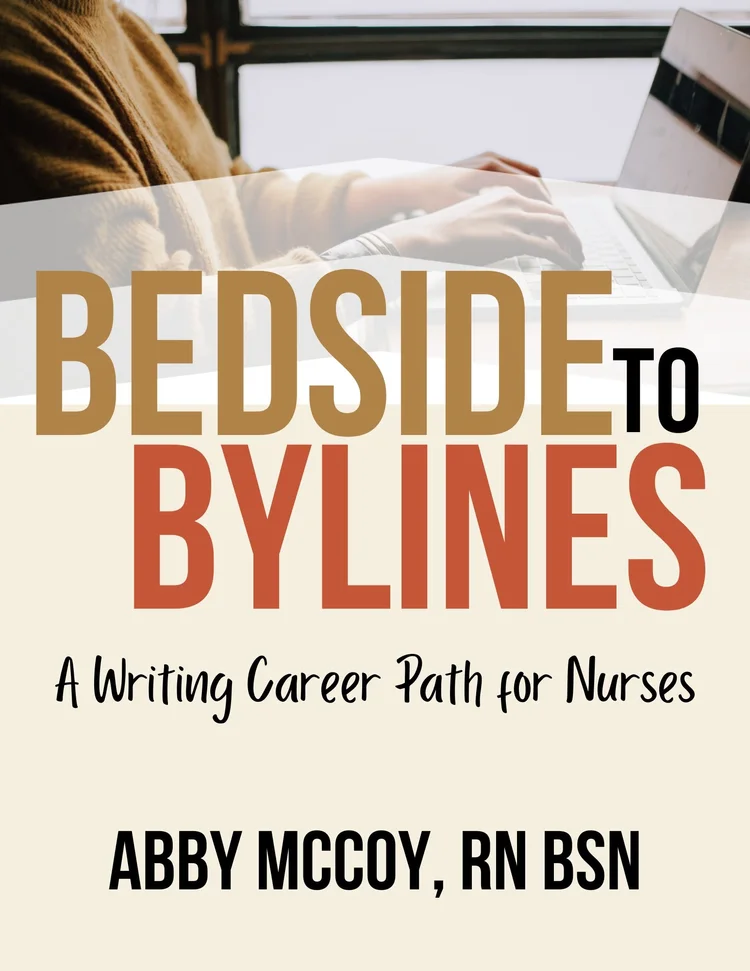
Want to know how I built my freelance content writing business?

Read my ebook!

💡 Find the trivia answer HERE 💡

Abby McCoy RN BSN

Evicom , Unit A 82 James Carter Road , Mildenhall IP28 7DE, United Kingdom

Powered by Squarespace

Unsubscribe